
Raccontare la storia della televisione — Intervista a Herbie J. Pilato
La voce di questa intervista
Herbie J. Pilato
- Professione
- Scrittore, autore e produttore televisivo
- Provenienza geografica
- Rochester, New York, Stati Uniti
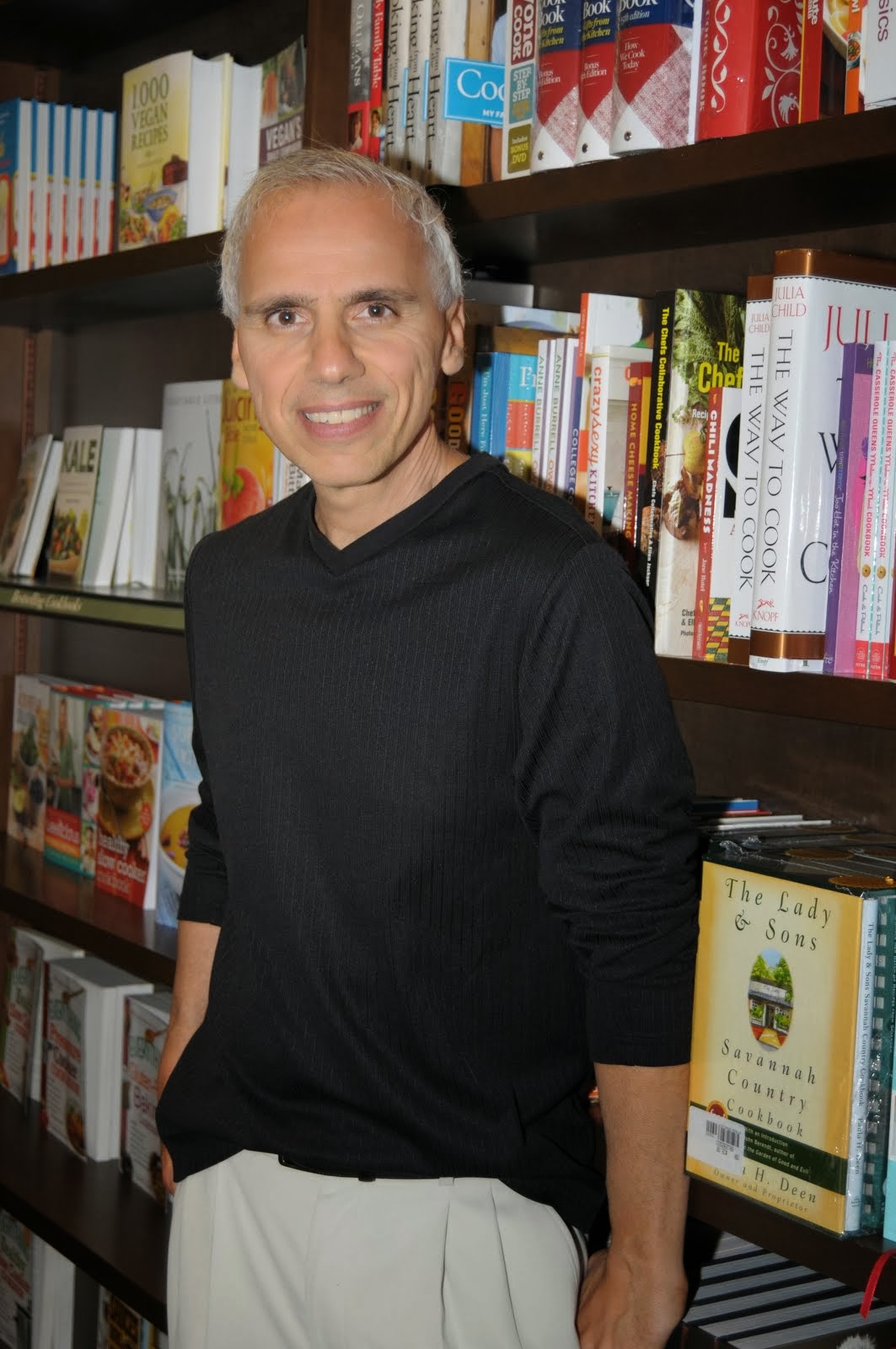
Herbie J. Pilato, scrittore, autore e produttore televisivo, è al centro di questa conversazione sul tema: raccontare la storia della televisione. Il dialogo ripercorre esperienze, scelte e riflessioni emerse nel corso dell’intervista, lasciando spazio alla voce dell’ospite.
Il cinema e le sue storie
COME SI È AVVICINATO AL MONDO DEL CINEMA TANTO DA DIVENTARE PROTAGONISTA CON I SUOI TANTI SAGGI E LIBRI?
Pilato: “Ho iniziato come attore negli anni ’80. Stavo anche cantando e ballando. Ma avevo sempre lasciato il programma televisivo Vita da strega mentre crescevo negli anni ’60 e nei primi anni ’70, e in seguito fui ispirato a scrivere un libro di accompagnamento per lo spettacolo. Ciò è accaduto per la prima volta con Il libro “Bewitched”, che è stato successivamente rivisto come “Bewitched” Forever. Poi ho scritto due biografie su Elizabeth Montgomery, la star di “Vita da strega.
HOW DID HE APPROACH THE WORLD OF CINEMA SO MUCH THAT HE BECAME THE PROTAGONIST WITH HIS MANY ESSAYS AND BOOKS?
Pilato: “I started out as an actor in the 1980s. I was also singing and dancing. But I had always left the TV show Bewitched while growing up in the 1960s and early 1970s, and I was later inspired to write a companion book to the show. That first happened with The “Bewitched” Book, which was later revised as “Bewitched” Forever. I then wrote two biographies about Elizabeth Montgomery, the star of “Bewitched.”)
IL CINEMA, COME SAPPIAMO, NASCE TRA LA FINE DELL’OTTOCENTO E I PRIMI INIZI DEL NOVECENTO CON I FRATELLI LUMIERE. POI HA AVUTO UN GRANDE SUCCESSO CON I MUSICAL, FILM DI FANTASCIENZA, FILM WESTERN, CINEMA MODERNO, ED È CONSIDERATO LA SETTIMA ARTE, LA SETTIMA PARTE DEL MONDO ARTISTICO ED È L’AGGREGATO DELLE ARTI VISIVE. IL CINEMA SI DIFFERENZIA DAL TEATRO DA OGNI PUNTO DI VISTA, PER ESEMPIO RICORDIAMO IL QUI E L’ORA; MENTRE NEL TEATRO ABBIAMO LA “QUARTA PARETE”DOVE C’È L’OSTACOLO TRA L’ATTORE IL PUBBLICO, MI SPIEGO MEGLIO L’ATTORE PUÒ AVERE UN RAPPORTO CON IL PUBBLICO DAL VIVO; MENTRE NEL CINEMA, QUESTA “QUARTA PARETE” VIENE TOLTA, MA L’ATTORE PUÒ COMUNICARE CON IL PUBBLICO ATTRAVERSO LA PELLICOLA. VOGLIO SAPERE QUAL È L’ELEMENTO CHE HA INTERPRETATO IN MANIERA POSITIVA E NEGATIVA DEL CINEMA?
Pilato: Sono deluso dal fatto che la televisione i lungometraggi siano diventati molto più violenti e volgari negli ultimi decenni. Oltre la violenza e la volgarità non è necessario raccontare una bella storia in TV o al cinema. Potrebbero esserci alcune scene in un film o in un programma televisivo che richiedono comportamenti violenti o certe parole volgari. Ma non tanto quanto viene presentato oggi nei programmi TV o nei film.
Inoltre, mi dà fastidio che molti degli attori borbottino le loro parole che gli effetti sonori e la musica negli spettacoli televisivi e nei film siano più rumorosi degli attori. Molte volte, non riesco a capire cosa dicono gli attori perché parlano a bassa voce, o borbottano o sono attutiti da altri suoni. Inoltre, l’illuminazione è troppo scura in molti programmi TV e film. Quindi, non solo non riesco sempre a sentire gli attori parlare, perché non riesco nemmeno a vederli. E quando li vedo o li sento.
Sembrano e suonano tutti uguali. Non c’è distinzione tra gli attori. E sembrano tutti interpretare gli stessi personaggi sarcastici. Tutti sono sarcastici. Tutti alzano gli occhi al cielo. E tutti sono troppo perfetti e belli. Non c’è varietà negli attori. E questa non è una buona cosa.
CINEMA, AS WE KNOW, WAS BORN BETWEEN THE END OF THE NINETEENTH CENTURY AND THE BEGINNING OF THE TWENTIETH CENTURY WITH THE LUMIERE BROTHERS. THEN IT HAS HAD GREAT SUCCESS WITH MUSICALS, SCIENCE FICTION FILMS, WESTERN FILMS, MODERN CINEMA, AND IS CONSIDERED THE SEVENTH ART, THE SEVENTH PART OF THE ARTISTIC WORLD AND IS THE AGGREGATE OF THE VISUAL ARTS. CINEMA DIFFERS FROM THEATRE FROM EVERY POINT OF VIEW, FOR EXAMPLE WE REMEMBER THE HERE AND THE HOUR; WHILE IN THE THEATER WE HAVE THE “FOURTH WALL” WHERE THERE IS THE OBSTACLE BETWEEN THE ACTOR AND THE AUDIENCE, LET ME EXPLAIN BETTER THE ACTOR CAN HAVE A RELATIONSHIP WITH THE LIVE AUDIENCE; WHILE IN CINEMA, THIS “FOURTH WALL” IS REMOVED, BUT THE ACTOR CAN COMMUNICATE WITH THE AUDIENCE THROUGH THE FILM. I WANT TO KNOW WHAT HE HAS INTERPRETED IN A POSITIVE AND NEGATIVE WAY ABOUT CINEMA?
Pilato: I am disappointed that television and feature films have become much more violent and vulgar in recent decades. Over violence and vulgarity is not necessary to tell a good story on TV or at the movies. There may be certain scenes in a movie or TV show that calls for violent behavior or certain vulgar words. But not as much as is presented on TV shows or in movies today.
Also, it bothers me that many of the actors mumble their words and that the sound effects and music on TV shows and movies is louder than the actors. Many times, I can’t understand what the actors are saying because they are speaking low, or mumbling, or being muffled out by other sounds. Also, too, the lighting is too dark on many TV shows and movies. So, not only can’t I always hear the actors talking, because I am unable to even see them. And when I do see or hear them. They all look and sound the same.
There is no distinguishment between the actors. And all of them seem to be playing the same sarcastic characters. Everybody is sarcastic. Everybody rolls their eyes. And everybody is too perfect and beautiful. There is no variety the actors. And that’s not a good thing.)
Il cinema e le sue storie
CHE COSA HA PRESO E CHE COSA NON HA IL CINEMA HOLLYWOODIANO DAL CINEMA ITALIANO?
Pilato: C’è una grande bellezza ed eloquenza nel cinema italiano. Ma non ne vedo molto nella televisione nel cinema americani. Certamente, c’è un grande talento nella televisione nei film americani, dietro e davanti alla telecamera. Ma quel talento ha perso la sua guida chiave negli ultimi decenni o giù di lì. Oggi la narrazione è diventata oscura e squallida come l’illuminazione il dialogo. Non ci sono più lieti fine. Hollywood non sa più come realizzare film e programmi TV con lieto fine.
Questo ha perso quella qualità e si è spostato troppo lontano nel mondo del realismo. Il realismo ha certamente il suo posto in TV e nei film. E il dramma e il conflitto, ovviamente, sono elementi importanti della narrazione. Ma la televisione il cinema moderni hanno esagerato con quegli elementi recenti e hanno perso la capacità di essere divertenti … e di presentare spettacolarità e fascino. Sì, lo spettacolo e il fascino sono gravemente carenti in molte produzioni televisive cinematografiche oggi.“
WHAT HAS HOLLYWOOD CINEMA TAKEN AND WHAT DOES IT NOT HAVE FROM ITALIAN CINEMA?
Pilato: There is great beauty and eloquence with Italian cinema. But I don’t see a lot of that in American television and cinema. Certainly, there is a great deal of talent in American television and movies, behind and in front of the camera. But that talent has lost its key guidance in the last few decades or so. Today, storytelling has become as dark and dingy as the lighting and dialogue. There are no more happy endings. Hollywood doesn’t know how to make movies and TV shows with happy endings anymore.
That lost that quality, and have drifted way too far into the world of realism. Realism certainly has its place on TV and in movies. And drama and conflict, of course, are important elements of storytelling. But modern television and film have gone overboard with those elements of recent, and lost the ability to be entertaining…and to present showmanship and charm. Yes, showmanship and charm are severely lacking in many TV and film productions today.“
“Poi ho scritto due biografie su Elizabeth Montgomery, la star di “Vita da strega”
ALL’ACCADEMIA STO STUDIANDO LA TEATROLOGIA E LE FORME DEL CINEMA. SAPPIAMO TUTTI CHE SIA IL CINEMA E SIA IL TEATRO SI BASANO SULLA STORIA. SE NON ESISTE LA STORIA, NON ESISTE UN BUON FILM E UN BUON SPETTACOLO TEATRALE. PRENDIAMO IN ESAME UNO DEI FILM PIÙ BELLI CHE HO VISTO: “FORREST GUMP” DI R. ZEMECKIS. CONOSCIAMO TUTTI LA STORIA, QUESTO RAGAZZO, FORREST, SPECIALE CHE HA AFFRONTATO LA SUA DISABILITÀ IN MODO EGREGGIO DIVENTANDO UN ESEMPIO PER TUTTI. COME MAI A VOLTE I LIBRI SONO IMPORTANTI NEL MONDO DEL CINEMA? COME MAI CI SONO STORIE VERE STORIE FANTASTICHE?
Pilato: Ogni storia è fantastica, sia che si tratti di una commedia o di un dramma, se raccontata bene … con un inizio, una parte centrale una fine adeguati. E quelli che raccontano le storie … o gli attori che interpretano i personaggi nelle storie … anche questo è importante. Gli attori devono essere simpatici nei loro ritratti dei personaggi, indipendentemente dal fatto che stiano interpretando personaggi “buoni” o “cattivi”. Non importa fintanto che le loro interpretazioni sono simpatiche quanto quei personaggi.“
AT THE ACADEMY I’M STUDYING TEATROLOGY AND THE FORMS OF CINEMA. WE ALL KNOW THAT BOTH CINEMA AND THEATRE ARE BASED ON HISTORY. IF THERE IS NO STORY, THERE IS NO GOOD FILM AND A GOOD THEATRICAL PERFORMANCE. LET’S LOOK AT ONE OF THE MOST BEAUTIFUL FILMS I’VE SEEN: R. ZEMECKIS’S “FORREST GUMP.” WE ALL KNOW THE STORY, THIS GUY, FORREST, SPECIAL WHO ADDRESSED HIS DISABILITY IN A WAY THAT BECAME AN EXAMPLE TO EVERYONE. WHY ARE BOOKS SOMETIMES IMPORTANT IN THE WORLD OF CINEMA? WHY ARE THERE REAL STORIES AND GREAT STORIES?
Pilato: “Any story is great, whether its comedy or drama if it is told well…with a proper beginning, middle and end. And those telling the stories…or the actors playing the characters in the stories…that is important, too. The actors have to be likable in their portrayals of the characters, whether or not they are playing “good” or “evil” characters. It doesn’t matter as long as their performances are likable as those characters.“)
Gli inizi e la passione
IL NEOREALISMO, SAPPIAMO TUTTI, NASCE TRA GLI INIZIA DELLA II GUERRA MONDIALE IL DOPOGURERRA ED È LA SCUOLA PIÙ IMPORTANTE CHE HA FATTO DEL CINEMA INTERNAZIONALE UN ELEMENTO IMPORTANTISSIMO. IO RITENGO CHE OGGI MOLTI GIOVANI COME ME NON SANNO CHI SONO I GRANDI MAESTRI CHE HANNO FATTO LA STORIA DEL CINEMA ITALIANO MONDIALE: DE SICA, ANTONIONI, FELLINI, TAVIANI, ROSSELLINI, GASMAN, CREDO CHE IL CINEMA ITALIANO SI STA UN PO’ SCOMPARENDO. LEI CHE COSA NE PENSA?
Pilato: Sono d’accordo. Ma TUTTO il grande cinema e la TV stanno scomparendo. Niente è più buono come una volta. Nessuno sa come realizzare buoni programmi TV e film perché cercano di essere troppo oscuri e squallidi nella loro narrazione … che dimenticano come raccontare una bella storia. E come scriverne uno“
NEOREALISM, AS WE ALL KNOW, WAS BORN BETWEEN THE BEGINNINGS OF THE SECOND WORLD WAR AND THE POST-GURERRA AND IS THE MOST IMPORTANT SCHOOL THAT HAS MADE INTERNATIONAL CINEMA A VERY IMPORTANT ELEMENT. I BELIEVE THAT TODAY MANY YOUNG PEOPLE LIKE ME DO NOT KNOW WHO ARE THE GREAT MASTERS WHO HAVE MADE THE HISTORY OF ITALIAN CINEMA IN THE WORLD: DE SICA, ANTONIONI, FELLINI, TAVIANI, ROSSELLINI, 1GASMAN, I BELIEVE THAT ITALIAN CINEMA IS DISAPPEARING A LITTLE. WHAT DO YOU THINK?
Pilato: I agree. But ALL of great cinema and TV is disappearing. Nothing is as good as it used to be. No one simply knows how to make good TV shows and movies because they are looking to be too dark and dingy in their storytelling…that they forget how to tell a good story. And how to write one.)
CHE COSA HA AMATO DEL NOSTRO CINEMA ITALIANO?
Pilato: Amo la verità delle storie che vengono raccontate … come le storie sono presentate con una grande sincerità … un mix o umorismo e dramma, proprio come la vita. E questo è il modo in cui le storie dovrebbero essere raccontate … ma in modo equilibrato … senza che nessun aspetto offuschi il successivo.“
WHAT DID YOU LOVE ABOUT OUR ITALIAN CINEMA?
Pilato: I love the truth of the stories that are told…how the stories are presented with a great sincerity…a mix or humor and drama, just like life. And that’s the way stories should be told…but in a balanced manner…without any one aspect overshadowing the next.“)
“Ma avevo sempre lasciato il programma televisivo Vita da strega mentre crescevo negli anni ’60 e nei primi anni ’70, e in seguito fui ispirato a scrivere un libro di accompagnamento per lo spettacolo”
La voce e lo spettacolo
CHE COSA VI HA INSEGNATO LA SERIE TV VITA DA STREGA E CHE RICORDO HA DI QUELLA SERIE TV LONGEVA DEGLI ANNI ’60-’70?
Pilato: Ho sempre amato “Vita da strega”. Pensavo che Elizabeth Montgomery, che interpretava Samantha, fosse bellissima, dentro e fuori. Rispettavo il modo in cui amava il suo marito mortale per quello che era, e non per quello che poteva fare o comprare per lei. Perché qualunque cosa lui potesse fare o comprare per lei, lei poteva “contrarsi” qualcosa di meglio. Non le importava dei soldi. Lo amava … la persona. E sia lei che suo marito si amavano nonostante le loro differenze.
Non importava che lei fosse una strega e lui un mortale. Si sono concentrati su ciò che li ha resi protagonisti … il loro comune amore rispetto reciproco. In sostanza, la loro umanità.
WHAT DID THE TV SERIES LIFE AS A WITCH TEACH YOU AND WHAT MEMORY DO YOU HAVE OF THAT LONG-RUNNING TV SERIES FROM THE 1960S AND 1970S?
Pilato: “I always loved “Bewitched.” I thought Elizabeth Montgomery, who played Samantha, was beautiful, inside and out. I respected how she loved her mortal husband for who he was, and not for what he could do or buy for her. Because anything that he could do or buy for her, she could “twitch” up something better. She didn’t care about money. She loved him…the person. And both she and her husband loved each other despite their differences. It didn’t matter that she was a witch and he was a mortal.
They concentrated on what made them the scene…their common love and respect for one another. In essence, their humanity.“)
COME VORREBBE VEDERE IL FUTURO DEL MONDO DEL CINEMA OGGI.?
Pilato: Vorrei vedere storie più felici … programmi TV e film più edificanti, e meno violenza e volgarità. Vorrei vedere una narrazione migliore … con più immaginazione … e dialoghi migliori. Vorrei che tutti gli attori prendessero lezioni di dizione … e imparassero a parlare con maggiore chiarezza … e si prendessero il loro tempo per parlare. Vorrei che i direttori del casting scegliessero attori che hanno un aspetto diverso l’uno dall’altro quando sono nello stesso film o programma televisivo.
Mi piacerebbe vedere più diversità e una migliore narrazione tutto intorno.“
( 8. HOW HE WOULD LIKE TO SEE THE FUTURE OF THE WORLD OF CINEMA TODAY.
“I would like to see more happy stories…more uplifting TV shows and movies, and less violence and vulgarity. I would like to see better storytelling…with more imagination….and better dialogue. I would like all actors to take classes in diction…and learn how to speak with more clarity…and to take their time speaking. I would like casting directors to choose actors who look different from one another when they are in the same movie or TV show.
I would like to see more diversity and better storytelling all the way around.“)
QUALI SONO I MODELLI A CUI È STATO ISPIRATO PER DIVENTARE SCRITTORE PRODUTTORE DI GRANDI VALORI? QUAL È LA COLONNA SONORA DEL SUO PERCORSO D’ARTE DELLA SUA VITA?
Pilato: Senza dubbio “Bewitched” mi ha ispirato … come altri programmi televisivi come “The Dick Van Dyke Show”, “The Mary Tyler Moore Show”, “Kung Fu”, “The Six Million Dollar Man”, “Star Trek”, “The Twilight Zone ”e tanti altri ancora.
Per quanto riguarda i film, “The Sound of Music” è uno dei miei preferiti, così come “I dieci comandamenti”, i primi film di Elvis Presley, e certamente anche “La vita è bella” di Roberto Benigni è uno dei miei preferiti film di tutti i tempi, così come il “Gesù di Nazareth” di Franco Zeffirelli. Entrambi questi film sono semplicemente la perfezione.“
Ispirazioni e riferimenti
WHAT ARE THE MODELS HE WAS INSPIRED BY TO BECOME A FILM WRITER AND PRODUCER OF GREAT VALUE? WHAT IS THE SOUNDTRACK OF HIS ART PATH AND LIFE?
Pilato: “No doubt “Bewitched” inspired me…as did other TV shows like “The Dick Van Dyke Show,” “The Mary Tyler Moore Show,” “Kung Fu,” “The Six Million Dollar Man,” “Star Trek,” “The Twilight Zone,” and so many, many more.
As far as movies, “The Sound of Music” is one of my favorite films, as is “The Ten Commandments,” the earliest films of Elvis Presley, and certainly, too, Roberto Benigni’s “Life is Beautiful” is one of my favorite movies of all time, as is Franco Zeffirelli’s “Jesus of Nazareth.” Both of those films are simply perfection.“)
CHI VUOLE RINGRAZIARE DEL SUO PERCORSO ARTISTICO E DI VITA? QUALI SARANNO I SUOI PROGETTI FUTURI?
Pilato: Non c’è dubbio che devo la mia carriera a Elizabeth Montgomery. Mi ha ispirato a diventare un attore. La sua serie TV Vita da strega rimane il mio programma televisivo preferito di tutti i tempi. I suoi modi caritatevoli, la gentilezza, la generosità e l’umanità rimangono un’influenza positiva per me fino ad oggi per quanto riguarda la mia compassione comprensione di tutte le persone.
Per quanto riguarda i miei piani per il futuro: spero di continuare a scrivere libri e sceneggiature ad apparire in programmi TV e film che portano anche solo la più piccola misura di luce gioia nel mondo. Se posso dare quel tipo di contributo al mondo dello spettacolo e al mondo in generale, allora avrò realizzato tutto ciò che credo di essere nato per fare ed essere.“
Who would like to thank for her artistic and life path? And what are your plans for the future?
Pilato: “There is no doubt that I owe my career to Elizabeth Montgomery. She inspired me to become an actor. Her TV series Bewitched remains my favorite television show of all time. Her charitable ways, kindness, generosity, and humanity remain a positive influence for me to this day with regard to my compassion and understanding of all people.
As to my plans for the future: I hope to continue writing books and scripts and appearing on TV shows and in movies that bring even just the smallest measure of light and joy into the world. If I can make that kind of contribution to the world of entertainment, and to the world in general, then I will have accomplished everything that I believe I was born to do and be.“)
