
Telling the territory through cinema — Interview with Francesco D’Amato
The voice of this interview
Francesco D’Amato
- Profession
- Director, screenwriter and writer
- Country of origin
- Grumo Appula, Apulia, Italy
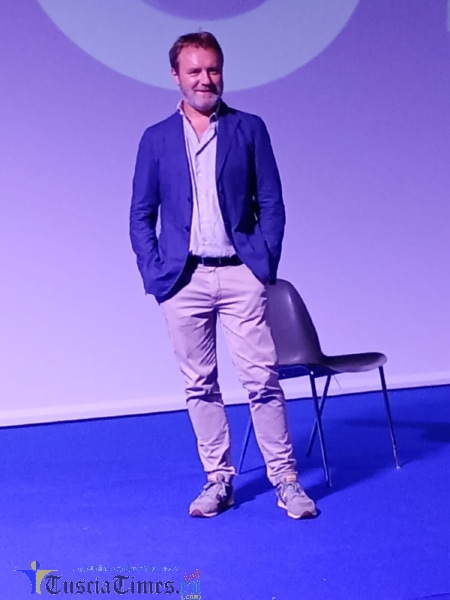
Francesco D’Amato, director, screenwriter and writer, is at the heart of this conversation about the theme: telling the territory through cinema. The dialogue retraces experiences, choices and reflections that emerged during the interview, leaving room for the guest’s voice.
For you, the voice of art is the expression of culture, music and creativity. How does this idea emerge in your short film?
D’Amato: Culture has been optional for decadence because we live in a world of cultural decay; therefore, it is strong the need for a rehabilitation of culture because the boys who have also, as to say, interpreted some roles have been involved with the awareness of having finally for a certain period to abandon social, abandon the devices and devote themselves to a form of art. This contemplating the revaluation of culture
“This contemplating the revaluation of culture”
This short film that you have filmed is drawn from a noir story in which some boys are looking for new clues to discover the arcane treasure of the Country Blue. Tell us about this short film?
D’Amato: First of all, the choice of the yellow is dictated by my last editorial effort: a yellow novel entitled “Il morte di San Felice”, the yellow is perhaps the only one, certainly, literary genre that can in a certain way keep the boys; how to say to have the attention of the boys in a different way because precisely the only fact of having to find out who is the guilty who is the killer as it goes to finish the story in a certain way is a little more careful here.
“I didn’t know Casamassima and it was very nice to discover some really very exciting views; so much so that in the film I had to cut some for a timely speech; and this is very sorry to me!”
What places in the Country Blue you chose for short film and why are they significant?
D’Amato: Casamassima was a great revelation. I didn’t know Casamassima and it was very nice to discover some really very exciting views; so much so that in the film I had to cut some for a timely speech; and that I was very sorry!
But I have discovered some architectural realities also artistic; it is very interesting for which I hope, I say so in a manner like saying disinterested, that as it happens to me, I am also a member of the Fai Association, so I like to follow the initiatives that go to reevaluate our territory and I hope that with the short film there is a flow of tourists that can in a different way approach to the territory because it is actually a way to re-evaluate the territory.
How was working with these guys? What has taught you from the experience of these school children?
D’Amato: Working with the boys was a very special experience. I was not at first prepared to approach the boys today; because I expected disinteresting attitudes, but fortunately they did not happen.
In fact, the boys responded very positively and this, therefore, opens a glimpse of a form of hope over the speech that was made at the beginning of the CULTURE, so that the boys can approach in a different way more mature to the culture because today honestly precisely that I already live with experiences in the past in Cinecittà within the context of the cinematography, now with these last three novels that I have written the editorial speech but not because I live from the writer.
I note a certain disinterest in culture and this sincerely hurts
