
Writing and directing the comedy — Interview with Alessandro Pondi
The voice of this interview
Alessandro Pondi
- Profession
- Director and screenplay
- Country of origin
- Ravenna, Emilia-Romagna, Italy
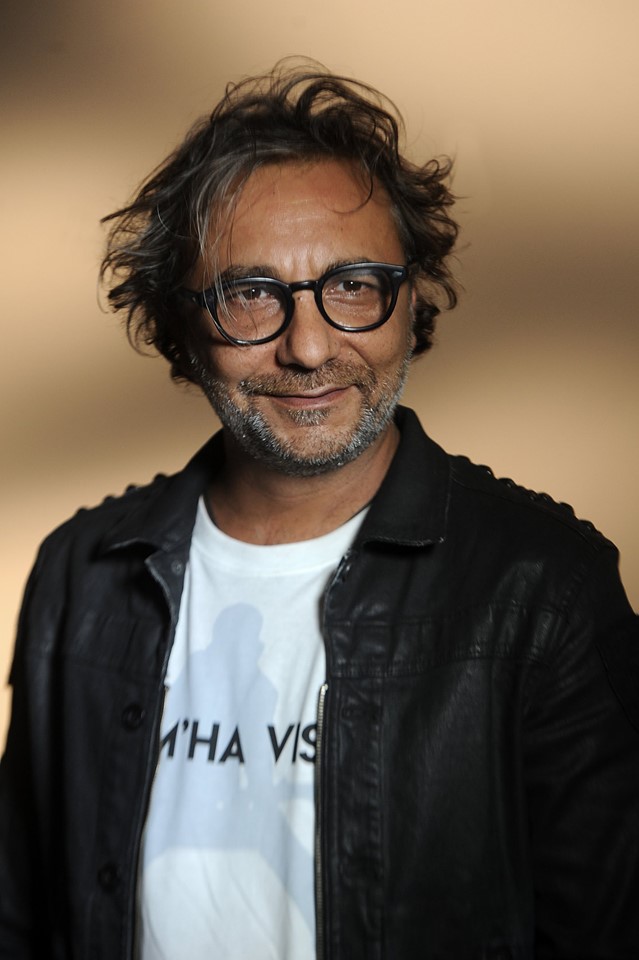
Alessandro Pondi, director and screenwriter, is at the heart of this conversation on the theme: writing and directing the comedy. The dialogue retraces experiences, choices and reflections that emerged during the interview, leaving room for the guest’s voice.
The beginnings and passion
When did you feel the vocation to the world of film directors? Was it a casual or passionate vocation?
Pondi: The cinema has always fascinated me since I was a child. I remember that one of my primary schoolmates had the grandfather mayor to whom they gave every year the card to enter free of charge to all the cinemas of Ravenna, which then were six. And so, on Saturday and Sunday, me and this friend of mine, named Giorgio, jumped from one cinema to another with the goal of seeing as many films as possible.
It was the two days of the week I preferred, and it always ended up that the parents came to us to repeat at dinner time in the dark of some room. I think she was born there, my great passion for film direction. The thought that in every film there is a “orchestral director” who decides everything has always fascinated me and kidnapped me.
How decisive is your passion for making it a real profession?
Pondi: This job or you love it or it's better to let go of other roads. I am an instinctive and passionate I cannot imagine a different approach to work and I believe that these characteristics of mine have undoubtedly helped me to undertake this profession.
To evoke, in the literary, cinematographic and theatrical jargon, is the key to every artistic language. It is the space of fantasy, the smoky box in which stories go, you invent characters, situations more or less likely, and where you often become protagonists of open-eyed dreams. Good. When you choose the characters in your movies there, choose from a particular moment of your life or choose them according to the fruit of your imagination?
Pondi: I don't have a precise rule when I write a movie. Sometimes I start from the story then the characters arrive, other times instead I leave the character and piano they open the story. In“All another life” I started from the character, and being a lover of Italian comedy, my character recalls in a certain way Alberto Sordi and so I thought to Enrico Brignano, who according to me is the Italian actor who most reminds him today. “
“I believe that I was born there, my great passion for film direction”
What are the ingredients to direct a good movie?
Pondi: The basis of everything is the script, with a good screenplay in hand half the work is done. Then it is important to have a good overview, to choose the right actors, to possess the sense of command and in the case of a comedy it is essential to have fun and to convey your vision your passion to all those who work with you.
The cinema and its stories
What is Alessandro Pondi the figure of the director for?
Pondi: The director is the conductor, he is the drag man who has all the answers in his hand even when he does not have them.
I would like to know how you managed to involve highly respected artists such as Brignano, Favino, Beppe Fiorello, and how did you relate to them during the processing of your films?
Pondi: “I begin to involve the actors from writing. Both Favino and Fiorello and Brignano loved the script and once emotionally involved it is easier to establish a relationship of complicity. I am a director who loves actors, I like to involve them, read the script together with them and always together with them, before starting to shoot the film, I like to collect their observations and maybe enrich with shades the characters. When we are on the set, it comes natural.”
“I am a instinctive and passionate and I can’t imagine a different approach to work and I believe that these characteristics of mine have undoubtedly helped me to undertake this profession”
Tell us about your movie “All another life”? How come you chose this title?
Pondi: “Every other life tells the story of Gianni, a Roman taxi driver, with a wife two children, who dreams of winning the fight you will change his daily saloon and always equal.
And when a wealthy couple, departing for the Maldives, forgets in his taxi the keys of their wonderful villa from a thousand a night, he dared, and for a week he took possession of the villa and the life of his owner, finishing in a joy of emotions never lived before they culminate in the unexpected encounter with Lola, a dream of girl who sees in him a winner that upsets his existence.
The title, unlike “Who has seen me”, which was born even before writing the script, jumped out last in a long chat with my co-writers (Paolo Logli, Mauro Graiani and Riccardo Irrera) We said: well, in fact Gianni is living “all another life”. And so we wrote it at the top of the script.
What do you think about cinema in the future?
Pondi: We live in the era of digital platforms, the offer of films and television series has been centuplicate, but the cinema will always preserve its great charm. Who goes to the cinema decides to take a break for himself. Turn off the phone, stick in a dark room, often the armchair is not even too comfortable, but only there, in front of the mega screen you can say you really fell into the dream world.
Inspirations and references
What are the models you have inspired to become a director already established? What is the soundtrack of your professional personal journey?
Pondi: I started my journey as a screenwriter just over twenty years old, next to the great master Luciano Vincenzoni, screenwriter of many masterpieces by Sergio Leone, Pietro Germi, Monicelli and many others. He was the one who sent me the love for the Italian comedy and when I write, before I still manage, my gaze flies on them.!
Who would you like to thank for your professional personal journey? What will your future projects be?
Pondi: “My parents who understood and did not hinder me in my choices, despite at twenty years I was already out of the house fighting to do this job.
Future projects? I have so many, but now let's enjoy “All another life”.
