The voice between radio and television — Interview with Maurizio Modica
The voice of this interview
Maurizio Modica
- Profession
- Speaker, dubbing and radio host
- Country of origin
- Palermo, Sicily, Italy
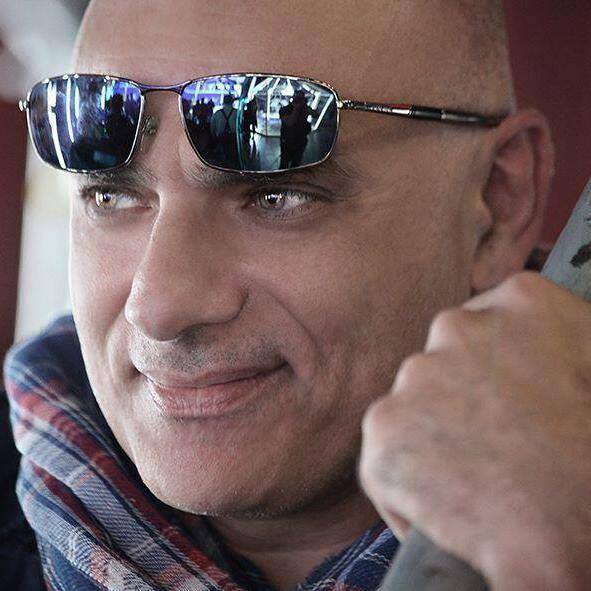
Maurizio Modica, speaker, voice and radio host, is at the heart of this conversation on the theme: the voice between radio and television. The dialogue retraces experiences, choices and reflections that emerged during the interview, leaving room for the guest’s voice.
The beginnings and passion
How did your artistic career begin? What was the world of dubbing and radio for you?
Modica: First of all, say hello. I started with the radio and immediately after with the speaker and dubbing world in the 1990s. I've done a lot of interesting things in television dubbing and so television programs as a voice out of the field. And then I'd be happy to go back to the radio because I'm really interested in getting back on the radio.
Is it difficult to interpret two different roles to be a radio host and at the same time a doubling player?
Modica: No is not difficult, it is important that the radio language must be very simple not set as in dubbing and not advertising speaker. You know if I have to “salute all the listeners!” with a slightly set voice doesn’t go and don’t like it so much
“Well, the cinematographic dubbing player must play very decisive roles, while the television player plays the role of the television voice, of many programs and documentaries”
How much does the phonetic count in the dubbing? How does the study of sounds and their organization contribute to the work on the voice?
Modica: The phonetic is very important. You asked me what the key elements are. One of these can be good diction and, not only, but also good breathing
You are a television voicer, what's the difference between a television and a cinematographic voice?
Modica: Well, the cinematographic dubbing player must play decisive roles, while the television player plays the role of the television voice, of many programs and documentaries. I also did the dubbing, as a real dubbing player, but above all being in the Milan area is not easy to devote, because in Milan there is little dubbing. The real dubbing is done and done in Rome
The voice and the show
What did TV programs “The island of the famous” and “Dreams Road” teach you?
Modica: ” Let’s talk about the “Isle of the famous” a program that I have been doing for 12 years as a speaker. What did you teach me? So he taught me to contact the world of show, as happened to “X-Factor” or other programs that aired in RAI but also in Mediaset.
The relationship, let's say, more beautiful than I had with the viewers and with the singers was that of X-Factor, instead with the "Isle of the Famous" was to have a relationship with the competitors whose stories are really touched, even if they are famous characters of the world of show behind the scenes, then discover that they are real stories with their own problems with their feelings and daily tribulations.
Dreams Road, on the other hand, is a travel program that as a speaker I have been making it for 15 years. Well “Dreams Road” teaches you a lot of things, it teaches you to travel to discover the culture of travel. Thanks to Dreams Road I visited many places not only in Europe, but also in the rest of the world. “Dreams Road” is a program and is the highest expression of its bets, the maximum and its own with America’s focus.
O God, this last edition has recorded the peak of listening with the episode dedicated to Switzerland”.
“You know if I have to “salute all the listeners!” with a somewhat set voice doesn’t go and don’t like it so much”
Let's talk about radio. What is the relationship between a radio host and a radio listener?
Modica: The relationship must be empathy, if you don't create this feeling with the radio listener. It is important to have this direct contact with the radio listener. Here, for example, when you have a listener on the air almost you tease it is not nice in the ear for those who listen to you and above all it is not good for the interlocutor
What story of a radio listener hit you more? Is there a person who remembers with particular affection?
Modica: Look, there's a lot of stories. Keep in mind that in the last time I’m on the radio it’s just not recent, but some situations I don’t remember all but I would say that every story in itself however there are really many that could be joined at this moment, definitely something touching is there.
Then it depends on the type of programs that lead, whether they are purely musical programs or entertainment programs where you interact with listeners radios, which can also but not all programs are made so they can interact by telling their stories. The most touching stories are those you hear, what television programs happen to everyone and anyone to listen to the stories that are really moving
Last question, who would you like to thank for your artistic journey and what are your future projects?
Modica: ” In this case too are many people who have collaborated with me at the “Isle of the famous”, “X-Fator” and “Dreams Road” and to all those who have believed in me in what I have always done”.
I conclude this interview by mentioning an answer given by our guest: “the cinematographic dubbing player must have decisive roles, while the television dubbing player has the role to tell documentaries and TV programs.” In addition, I add, that, the television voicer has the ability to make the viewer understand the reality of a box that can sometimes be real or fictitious.
