
Cinema through different cultures — Interview with Katie Chan
The voice of this interview
Katie Chan
- Profession
- Member
- Country of origin
- Hong Kong, China
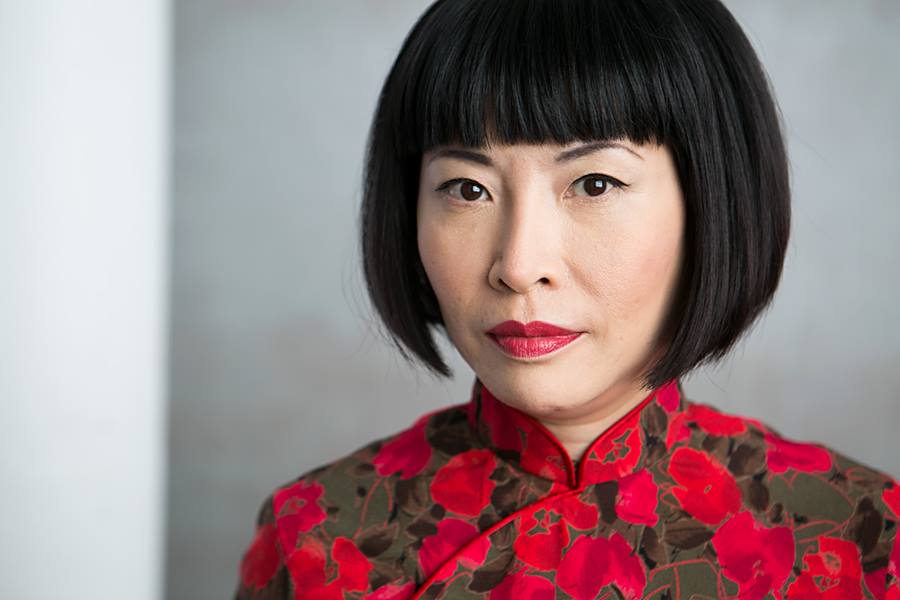
Katie Chan, actress, is at the heart of this conversation about the theme: cinema through different cultures. The dialogue retraces experiences, choices and reflections that emerged during the interview, leaving room for the guest’s voice.
The beginnings and passion
What are your first steps in the world of cinema?
Chan: I started talking in public, performing on stage at a young age. Then I continued to study theatrical recitation I had the opportunity to act professionally. After being in a movie, I liked the camera; they believe that the goal can capture the human soul. Then I studied film play, and that led me to New York and Los Angeles
Was it a choice dictated by the case or passion?
Chan: He arrived in two stages; initially he was casual. I didn’t mean to be an actor when I was little and I love watching movies and watching people. I remembered I watched old movies on TV when I was in the game, the fragment of scenes, the pictures of the actors, the voice is still in my mind. Towards the third grade, when I look at people, I guess what they were thinking and trying. I find it fascinating how people behave and do things in a unique way. I care about them.
Then I develop the pressing desire to understand them more and to speak for those who have no voice. This impulse then becomes my passion mission in being an actor.“
Do you prefer roles suitable for your person or away from your way of being?
Chan: Honestly, all the characters I've been working on have impressed me in a unique way. They're all amazing people with their special path. The process of studying my character allows me to discover emotional layers of lack of truth and build a trusted friendship with the character. My mission is to speak to defend them in front of the world.
Our Italian cinema was born with Neorealism which is a fundamental part of the history of the twentieth century, indeed it is the cultural cinematographic manifesto par excellence where the great Italian filmmakers have emerged: Visconti, Fellini, Antonioni, Gassman, Rosi, Taviani, De Sica. Spielberg, in his award speech at David Di Donatello, said that Italian cinema was, somehow, the preceptor of Hollywood cinema. Good! Do you agree that Italian cinema has influenced your American cinema?
Chan: “Surely, Italian Neorealism influences global film production is deep, including America. In 1945, poverty caused by World War II forced society to change. The Italian films have broken their old system. Neorealism has demonstrated its significant socio-political issues, focusing on showing reality, realism and minimal technical support with shooting in locations and non-professional actors.
According to the history of American cinema, neorealism has arrived in the independent film school in New York in the 1950s; it has influenced American directors. The Midnight Cowboy in 1969 brought to the public homosexuality, which created a new wave in the old Hollywood. Thieves 'Highway in 1949, "Friday" in 1995 and "Nebraska" in 2013; may not contain all elements of neorealism, but all face socio-relevant themes of people.
The cinema and its stories
What are the differences between American and Italian cinemas?
Chan: If we talk about mainstream cinema, of course American cinema is more guided by the box office than the Italian one. The main film studios are more likely to invest in superhero movies and comedic themes for families with large sets that are more secure in terms of profits. American films usually have a happy ending, making the audience feel good and making American films more fun and widespread globally.
On the other hand, Italian cinema prefers common people to superheroes. Italian films focus on the spirit of people not on the happy ending. Italian films are not easily accessible in American cinema. However, the internet and online streaming should help promote movies.“
Which director or Italian actor would you like to work with?
Chan: I always admire Sergio Castellitto, who directed the film “Don’t move” and Roberto Benigni, who directed “Life is beautiful”. These two films are both compelling and full of suspense; the stories the characters capture my heart. The work on the characters of Roberto Benigni is impeccable; brilliantly creates a memorable character with layers of emotions incorporating physical comedy with pain love.
“On the other hand, Italian cinema prefers common people to superheroes”
How would you like to see the future of the film world today?
Chan: I would like to see a new golden age of world cinema with flourishing creativity, diversity and positive energy. I'm optimistic for the future. There are huge demands for entertainment programs, so many movies and television productions are needed. I believe in being persevering positive; with the new technology, the sun will rise!
What are the models you have inspired to become an artist?
Chan: My artistic inspiration includes Frida Kahlo, Penelope Cruz, Meryl Streep, Viola Davis, Rami Malek, Ryan Gosling, Kathy Bates, Roberto Benigni, Sophia Loren, Denzel Washington, Antonio Fava, Helena Bonham Carter, Helena Mirren, Maggie Smith, Olivia Colman, director Hannah Lux Davis and Sergio Castellitto
Inspirations and references
What is the soundtrack of your professional personal journey?
Chan: I choose my soundtracks by following my inner voice. My list included Bebe ReXha, Victoria De Los Angeles, Patricia Kaas, Stan Getz, Joao Gilberto, Angel Romero Vivaldi, Eminem, Chopin, Mozart, Sheng Zhong-Guo. Chinese opera, rock & roll and jazz.
Who would you like to thank for your professional personal journey? What will your future projects be?
Chan: I am grateful to meet many generous and talented artists. I want to take advantage of this moment to thank my acting coach Anthony Gilardi, my manager Laura Sixtos, my agent Garry, Mike, Daniel and my mentor Raymond Ma. Thank you for your guide and support. I've learned a lot from all of you. I keep following my passion I enjoy every moment of the route. I believe in following my passion, being persevering positive; the Sun will rise!
Dear readers,
Her sweet, her shyness and her generosity have gotten it her an actrisse whole. Character of TV series, Katie Chan tells the womanly world how simply and harmonius. I am very happy that now I will be interving the Chinese American, Katie Chan
Hi Katie,
I am emotional and happy that you accept my interview
What are your first steps in the world of cinema and theatre?
Chan: I started public speaking, performing on stage at a young age. Then I went on studying theater acting and got chances to act professionally. After being in a film, I enjoyed the camera; they believe that the lens can capture the human soul. Then I study screen acting, and that lead me to New York and Los Angeles.“
Has been it a casual or passional choose?
Chan: It came in two phases; initially was casual. I didn’t mean to be an actor when I was little, and I always love watching movies and watching people. I recalled watching old movies on TV when I was in the baby walker, the fragment of scenes, the actors’ images, voice, and they are still in my mind. Around third grade, when I observe people, I’ll guess what they were thinking and feeling. I find it fascinating how people behave and uniquely do things. I care about them.
Then I develop the urging desire to understand them more and speak up for those who don’t have a voice. This urge then becomes my passion and mission in being an actor.“
Inside the characters
Do you prefer roles suited to your person or far from your way of being?
Chan: Honestly, all the characters I have worked on all excited me in their own unique way. They are all extraordinary people with their special path. My character’s study process allows me to discover emotional truthlessness layers and build a trusty friendship with the character. My mission is to speak up and stand up for them in front of the worl“
“The work on the characters of Roberto Benigni is impeccable; brilliantly creates a memorable character with layers of emotions incorporating physical comedy with pain and love”
Our Italian cinema was born with Neorealism which is fundamental part of century history, indeed it is the cultural and cinematographic poster par excellence where the great Italian filmmakers arose: Visconti, Fellini, Antonioni, Gassman, Rosi, Taviani, De Sica. Spielberg, in his award speech to the David Di Donatello, said that Italian cinema was, in some way, the tutor of Hollywood cinema. Well! Do you agree that Italian cinema has influenced your American cinema?
Chan: Definitely, the Italian Neo-realism influences global film making is complement, which included America. In 1945, resulting by WWII forced society to change. Italian films broke through their old system. NeoRealism demonstrated its significant socio-political relevant themes, focusing on showing reality, realism, and minimal technical support with location shooting and non-professional actors.
According to American film history, Neorealism farewell in New York independent film school in the 1950s; it influence American filmmakers. The Midnight Cowboy in 1969 brought up Homosexuality to the public, which created a new wave to the Old Hollywood. Thieves’ Highway in 1949, Friday 1995, and Nebraska in 2013; they might not carry all the Neorealism elements, but they all address people’s socio-relevant themes.“
What are the differences between American and Italian cinema?
Chan: If we are talking about the mainstream cinema, obviously American cinema is more box-office driven than the Italian. Major film studios are more inclined to invest in Superhero movies and Family-friendly comedy themes with grand sets that are more guaranteed in profits. American Films usually have a happy ending, making audiences feel good and making American films more entertaining and prevalent globally. On the other hand, Italian cinema prefers common people to superheroes.
Italian films focus on people’s spirits and not happy endings. Italian films can be easily accessible in American cinema. However, the internet and online streaming should help to promote films.“
Which Italian director or actor would you like to work with?
Chan: I always admire Sergio Castellitto, who directed the movie ” Don’t Move,” and Roberto Benigni, who directed ” Life is Beautiful.” These two movies are both complling and suspenseful; the stories and characters captivate my heart. Roberto Benigni’s character work is flawless; he brilliantly creates a memorable character with layers of emotion by incorporating physical comedy with pain and love.
The present and the projects
How would you like to see the future of the world of cinema today?
Chan: I would like to see a new golden age of world Cinema with flourishing creativity, diversity, and positive energy. I am optimistic about the future. There are wonderful demands for entertainment programs, so many films and productions are needed. I believe in being persevering and positive; with new technology, the sun will rise!“
What are the models that inspired you to become an artist?
Chan: My artistic inspiration includes Frida Kahlo, Penelope Cruz, Meryl Streep, Viola Davis, Rami Malek, Ryan Gosling, Kathy Bates, Roberto Benigni, Sophia Loren, Denzel Washington, Antonio Fava, Helena Bonham Carter, Helena Mirren, Maggie Smith, Olivia Colman, director Hannah Lux Davis, and Sergio Castellitto.“
What is the soundtrack of your artistic and life path?
Chan: I choose my soundtracks by following my inner voice. My list included Bebe ReXha, Victoria De Los Angeles, Patricia Kaas, Stan Getz, Joao Gilberto, Angel Romero Vivaldi, Eminem, Chopin, Mozart, Sheng Zhong-Guo. Chinese Opera, Rock& Roll, and Jazz.“
Who would you like to thank for your artistic and life path? What will your plans be for your future?
Chan: I am grateful to meet many generous, talented artists. I want to take this moment to thank my acting coach Anthony Gilardi, my manager Laura. Sixtos, my agent Garry, Mike, Daniel, and my mentor Raymond Ma. Thank you for your guidance and support. I have learned a lot from all of you. I am continuing to follow my passion and enjoy every moment on the path. I believe in following my passion, being persevering and positive; the sun will rise!
